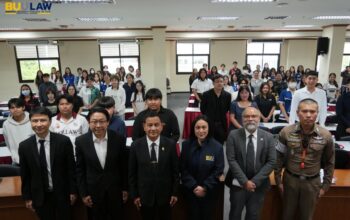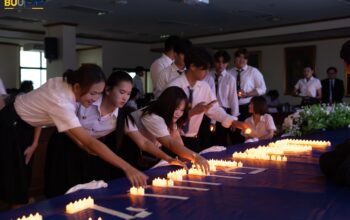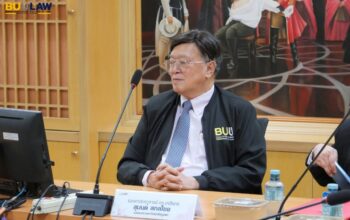
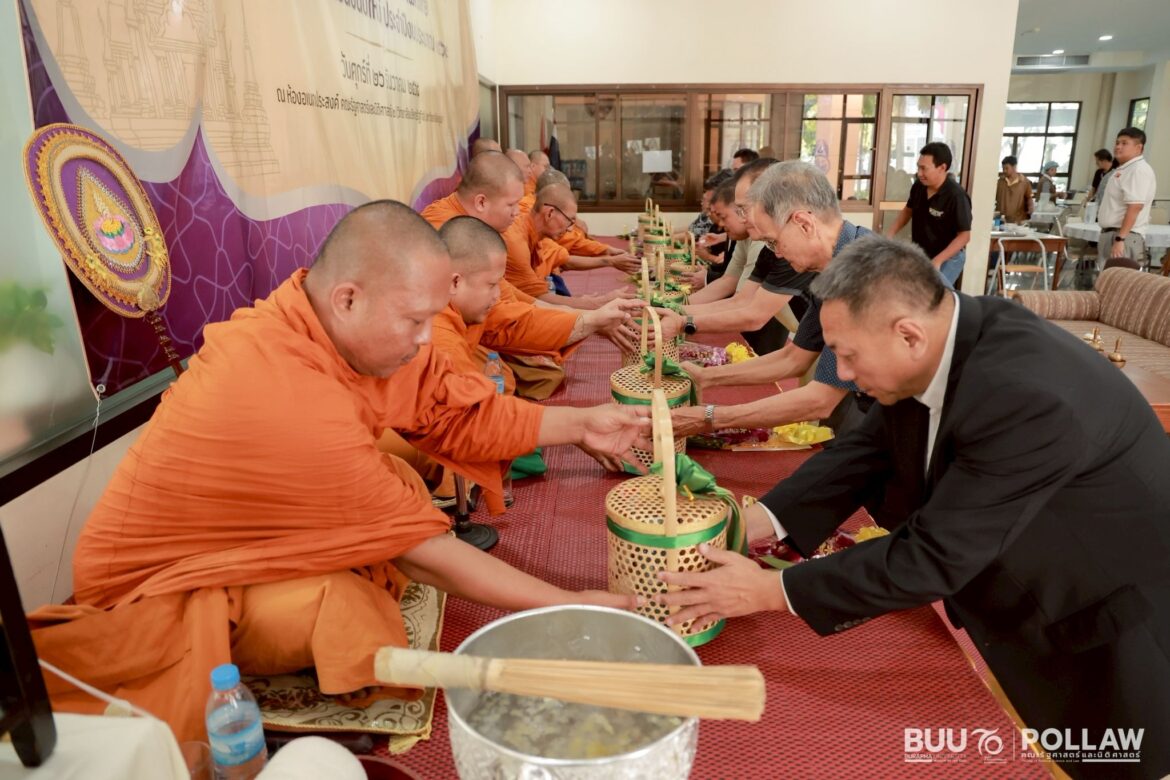
This project is organized to celebrate the New Year while promoting the preservation of Thai cultural traditions through religious and cultural activities such as Buddhist merit-making ceremonies. These activities play a vital role in maintaining Thailand’s cultural heritage and spiritual values. In addition, group activities such as shared meals, donation of reusable items for social benefit, and collective cleaning of the event area help strengthen unity, kindness, and a sense of community responsibility within the Faculty. Therefore, the project is not only a celebratory event but also an important initiative to enhance organizational bonding, support well-being and collaboration among personnel, and sustain Thai cultural traditions for future generations.
The aims of porjects:
1. To preserve, promote, and pass on Thai cultural and traditional values through religious and cultural activities during the New Year celebration.
2. To strengthen unity, goodwill, and positive relationships among members of the Faculty of Political Science and Law.
3. To encourage social responsibility and community engagement through donation activities and volunteer-based initiatives.
4. To foster happiness, organizational bonding, and a shared commitment to sustaining a strong and supportive institutional community.
The project is implemented as a cultural and community-building activity to celebrate the New Year and preserve Thai traditions. Preparation involves coordinating with relevant units, arranging the venue, and inviting faculty members, staff, and participants to join. On the event day, the main activities include Buddhist merit-making ceremonies, offering meals to monks, having a shared lunch to strengthen relationships, donating reusable items to support social benefit projects, and carrying out collective cleaning activities to foster shared responsibility. After the event, the outcomes are summarized and evaluated to improve future activities.
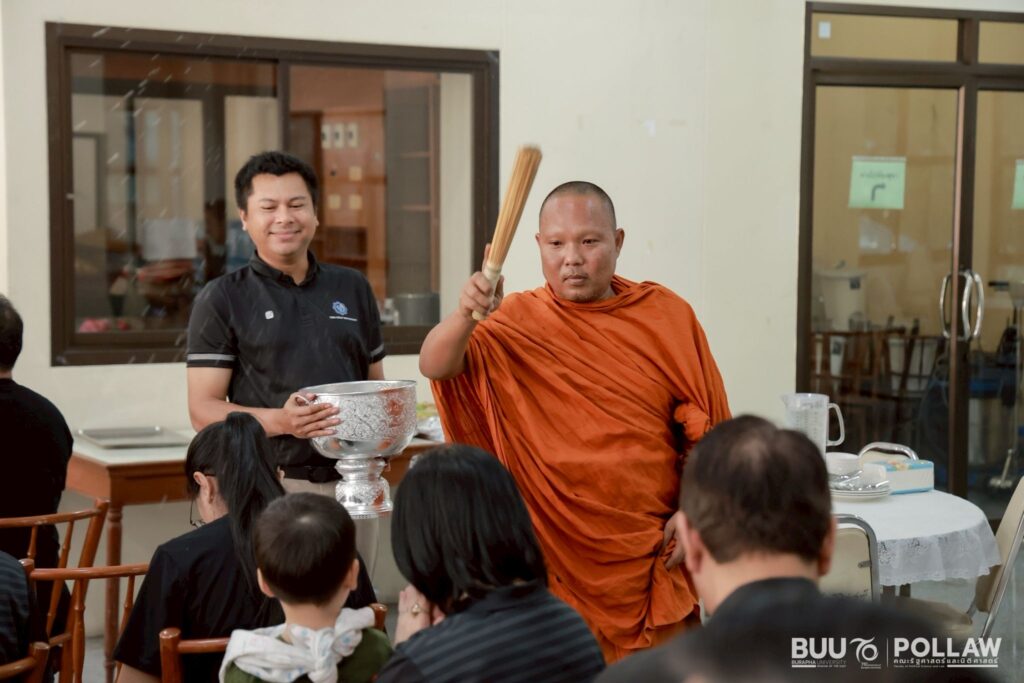
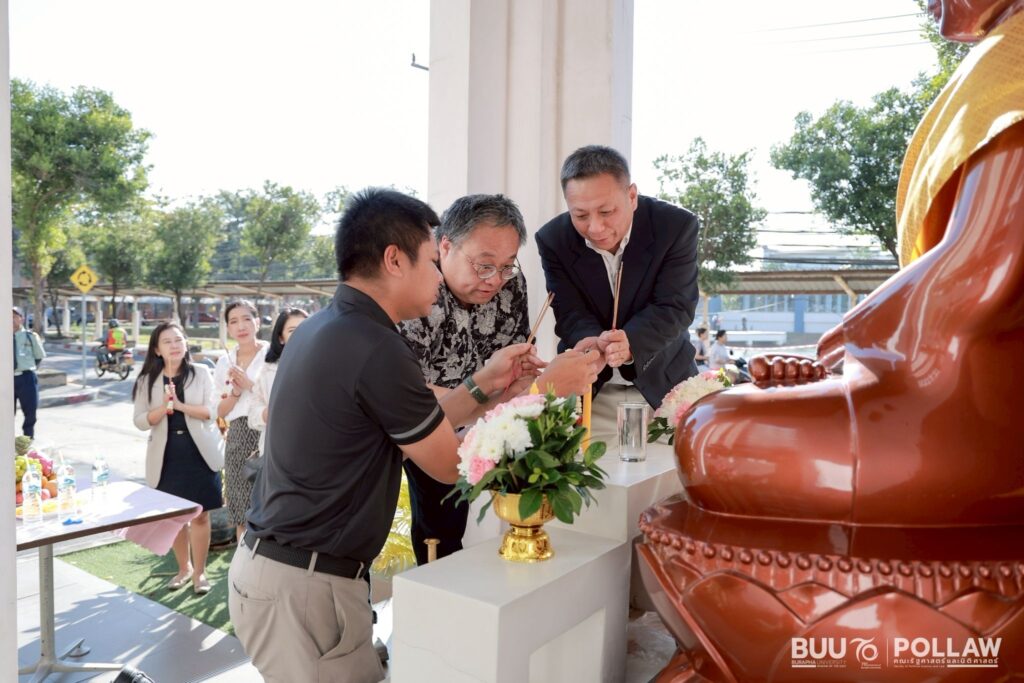
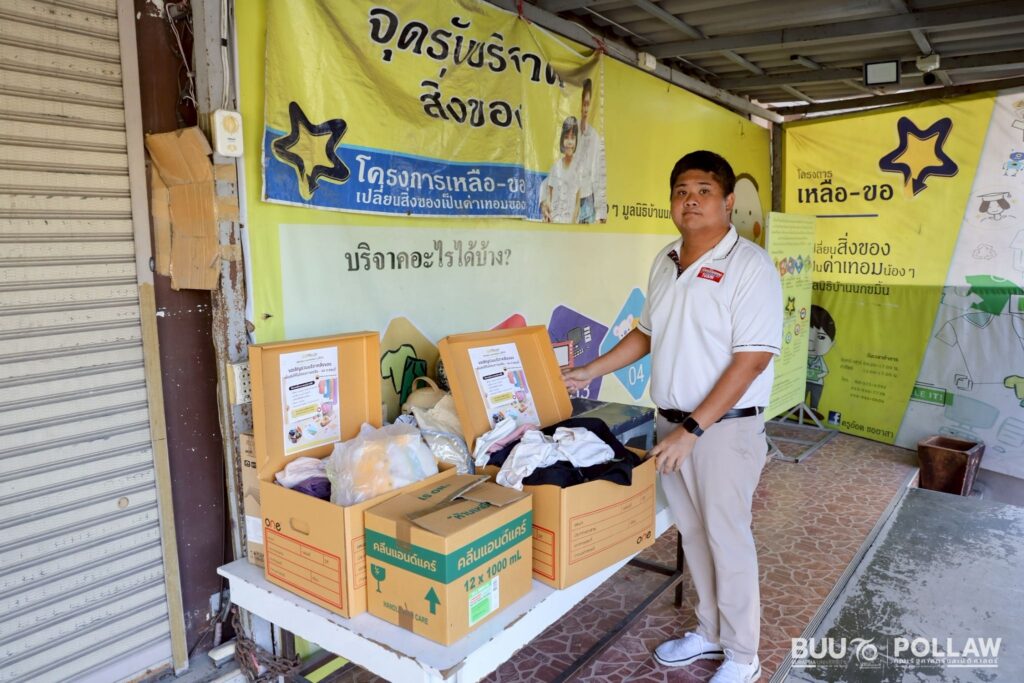
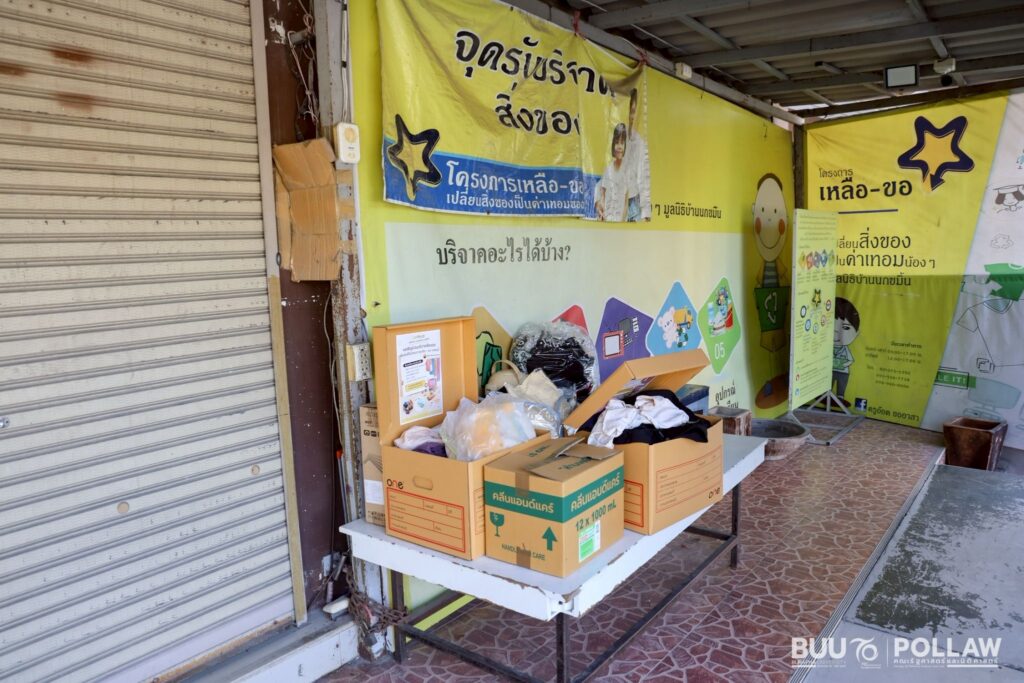
The project helped preserve and promote Thai cultural traditions through religious and cultural activities, fostering pride in cultural identity and strengthening the institutional community, aligning with SDG 11: Sustainable Cities and Communities. The shared activities and positive atmosphere enhanced unity, emotional well-being, and supportive relationships among participants, contributing to SDG 3: Good Health and Well-Being. In addition, the donation activity of reusable items encouraged responsible use of resources, generosity, and reduced waste while benefiting society, supporting SDG 12: Responsible Consumption and Production. Overall, the project generated cultural, social, and sustainability impacts in a holistic and meaningful way.
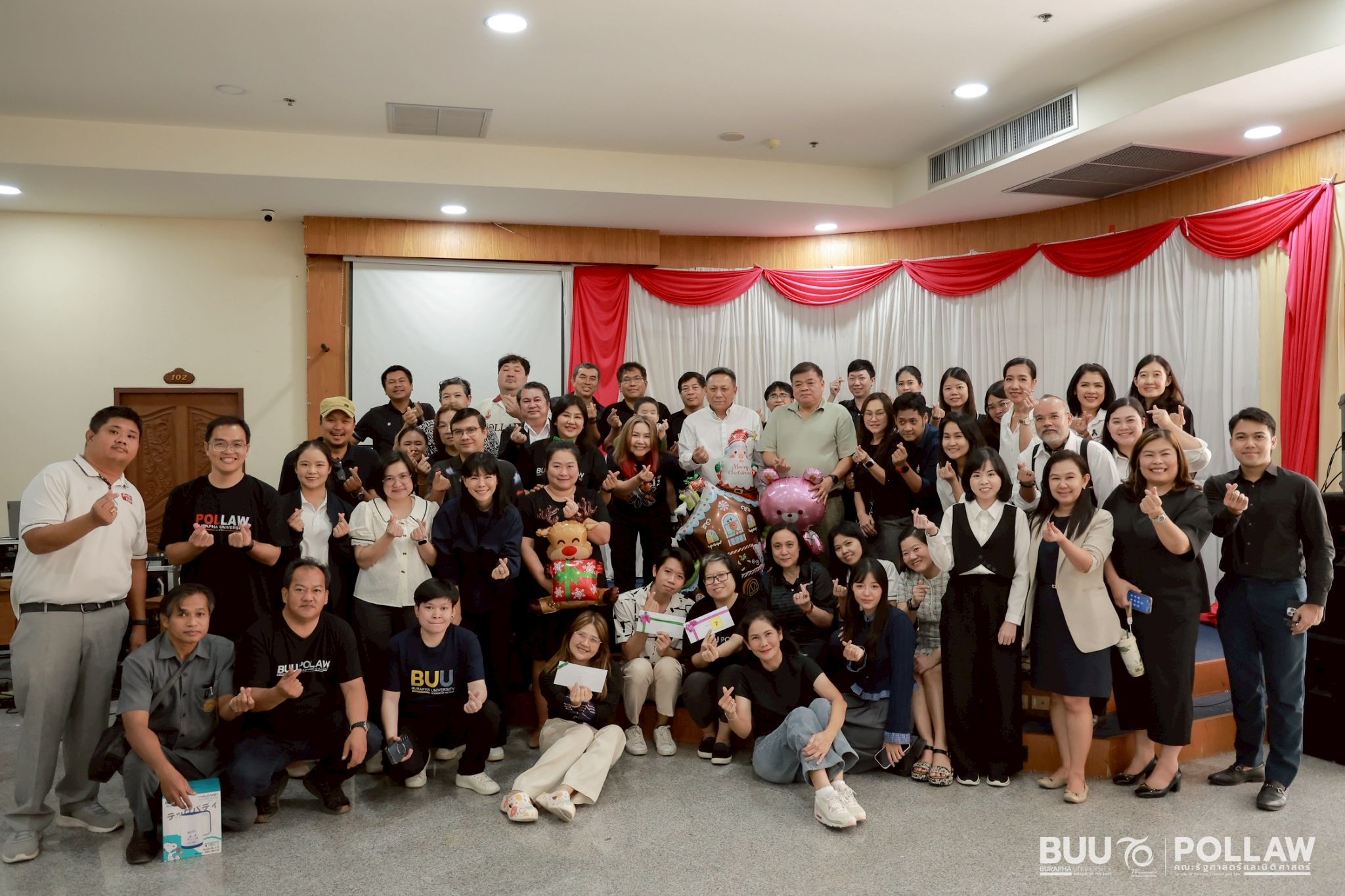
Date: 26 December 2025
Project Leader: Mr.Touch Khanthaprasit