
Asst. Prof. Dr. Sureeporn Anusasananan and her research team were granted funding from the Research and Development Fund of Burapha University for the fiscal year 2025. The project, titled “An Integrated Learning Innovation with Network Partners to Promote Sustainable Marine and Coastal Resource Conservation to Accommodate the Economic Expansion in the Eastern Economic Corridor (EEC) Region),” aims to develop innovative learning management models through collaboration with network partners to foster sustainable marine and coastal resource conservation in the EEC area.
The initial phase of the project focused on studying the current issues and conservation approaches for marine and coastal resources. The data obtained from this phase will serve as the foundation for developing integrated learning innovations that promote environmental stewardship.
In support of this endeavor, Asst. Prof. Dr. Sureeporn invited Asst. Prof. Dr. Sompong Panhoon and Assoc. Prof. Dr. Juthamas Haenjo to provide expert guidance on developing interview protocols and facilitating focus group discussions. Subsequently, invitations were sent to relevant network partners to participate in a focus group meeting on this subject.
Project Objectives
- To study the problems and conservation approaches for marine and coastal resources, serving as a basis for developing integrated learning innovations with network partners in the EEC.
- To disseminate the findings from interviews regarding marine and coastal conservation issues to the public.
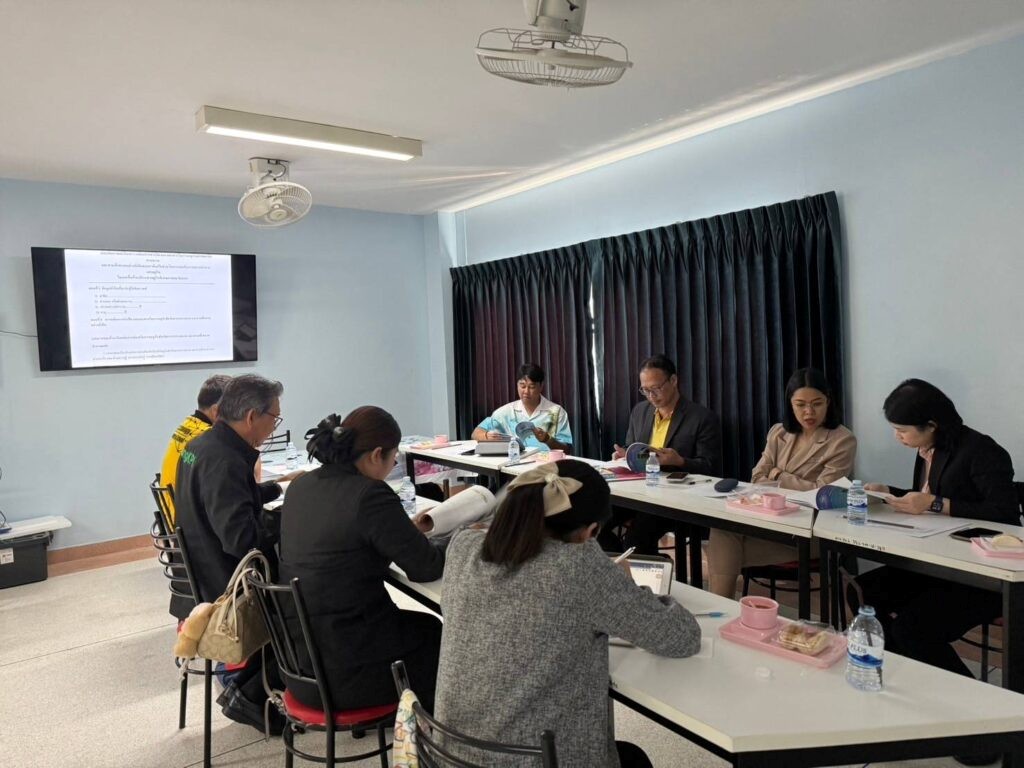
Project Implementation
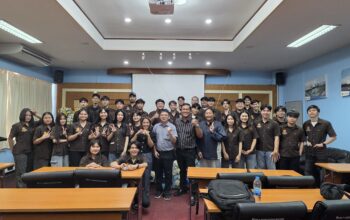
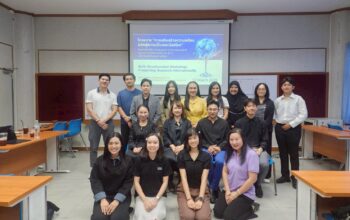
On February 11, 2025 (08:30 AM – 04:30 PM), Asst. Prof. Dr. Sureeporn Anusasananan and her research team from the Faculty of Education, Burapha University, organized a focus group discussion on “Issues and Conservation Approaches for Marine and Coastal Resources Towards the Development of Innovative Integrated Learning with Network Partners for Sustainable Conservation in the EEC Region.”
The session brought together 25 participants from various sectors within the EEC, including marine scientists, university lecturers, educational supervisors, students, community members, divers, tourism entrepreneurs, and naval officers responsible for maritime security.
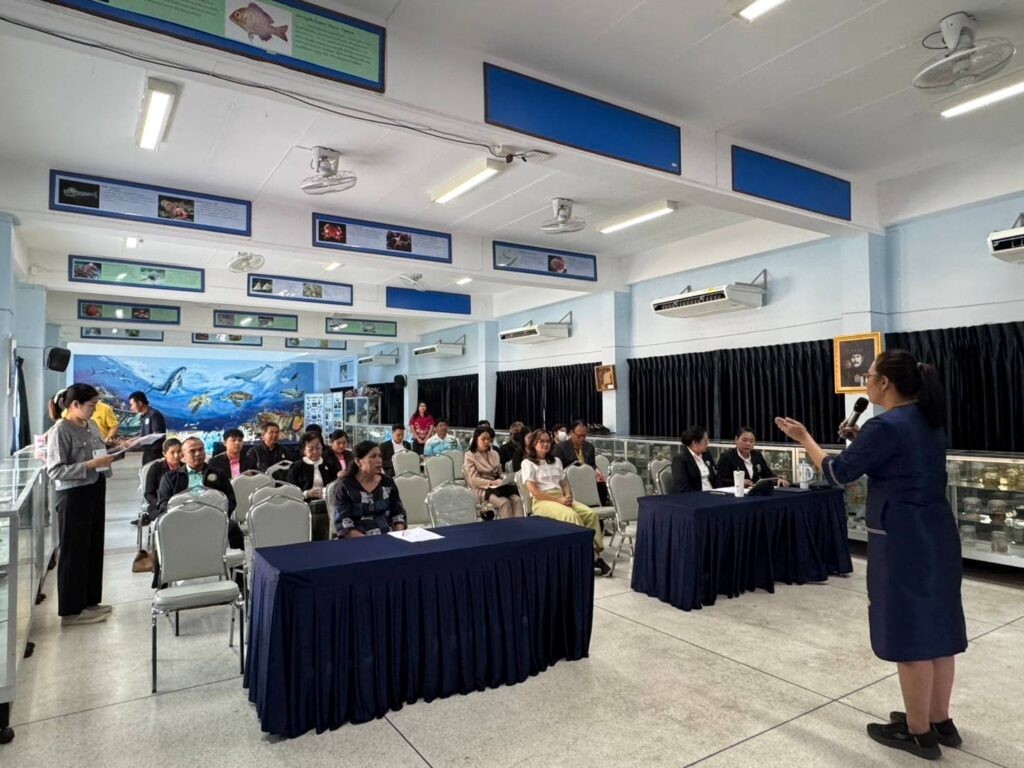
Key Findings from the Focus Group Discussion
Participants identified beaches and coastal waters as the region’s most critical marine resources, serving both as tourist attractions and vital sources of seafood that contribute to the local economy.
The primary issues affecting marine and coastal resources were highlighted as:
- Marine debris and waste dumping
- Aquaculture-related waste
- Oil spills from fishing boats
- Illegal dumping from cargo vessels
- Household wastewater
- Tourist-generated litter
These issues have led to serious environmental impacts, including polluted beaches, loss of mangrove forests, coral bleaching, and declining marine life populations. A significant underlying cause is the lack of social responsibility and environmental awareness among local businesses, residents, and tourists.
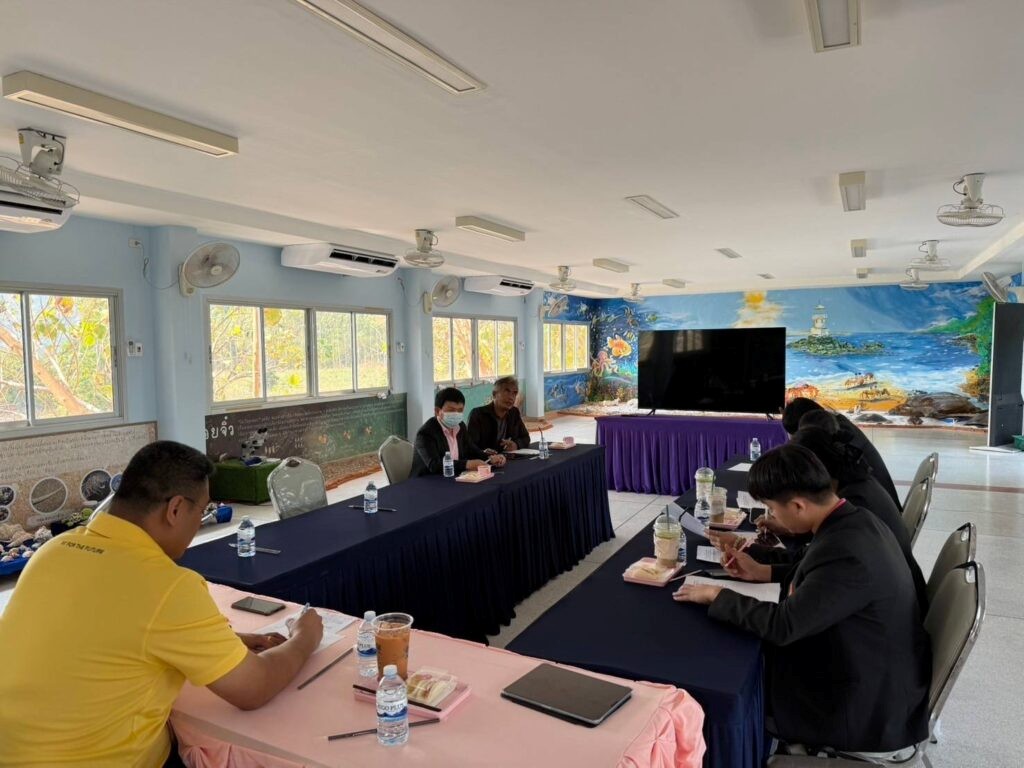
Proposed Solutions and Educational Strategies
For youth engagement, the participants recommended:
- Organizing school projects or activities that integrate marine and coastal conservation.
- Incorporating conservation topics into classroom learning.
- Adjusting school curricula or adding extracurricular activities focused on environmental stewardship.
Learning activities should be designed to allow students to engage in hands-on experiences through diverse teaching approaches, such as:
- Competency-Based Learning
- Problem-Based Learning
- Project-Based Learning
- The use of innovative instructional media or educational toolkits.
For network collaboration, the participants emphasized the need for government support in terms of funding, resource persons, venues, and public relations campaigns to raise awareness and disseminate crucial information on marine and coastal conservation.
Project Impacts
The findings from this focus group discussion will be utilized to develop innovative integrated learning models with network partners for marine and coastal resource conservation within the EEC region. Furthermore, the research outcomes will be disseminated to raise public awareness of these critical issues and provide preliminary data for relevant agencies to plan future conservation strategies.
An immediate impact of the project was the strengthened collaboration among network partners. Schools and marine experts initiated advisory roles in student science projects, and communication platforms such as LINE groups and Facebook groups were established to facilitate ongoing information sharing and collaboration.