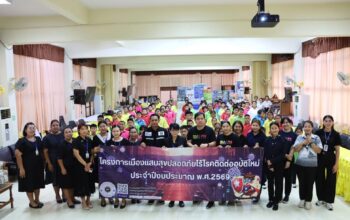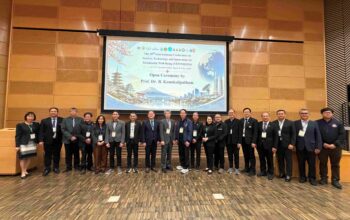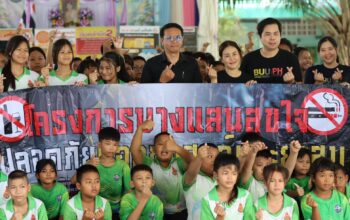
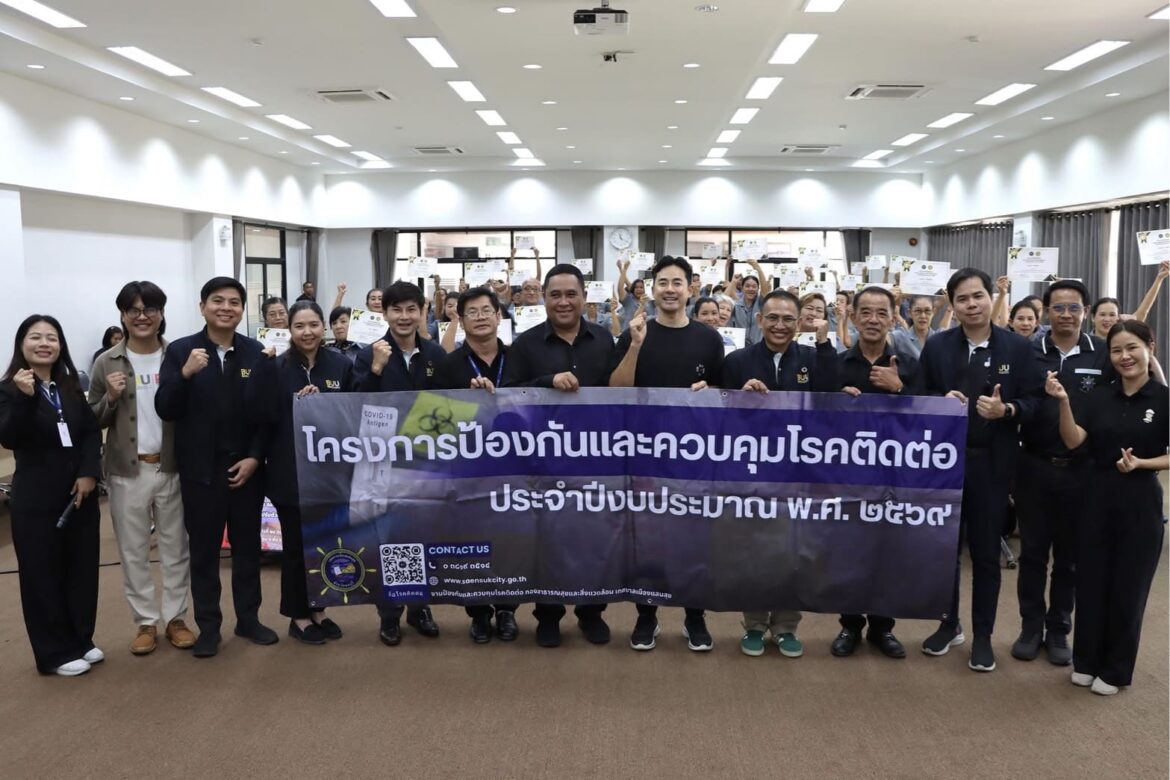
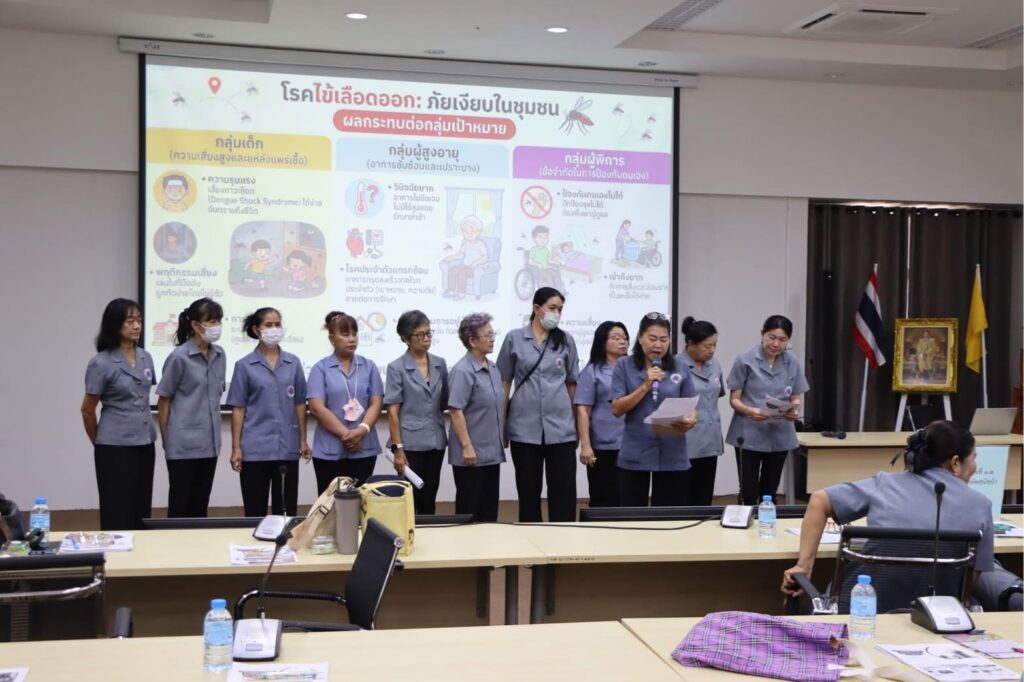
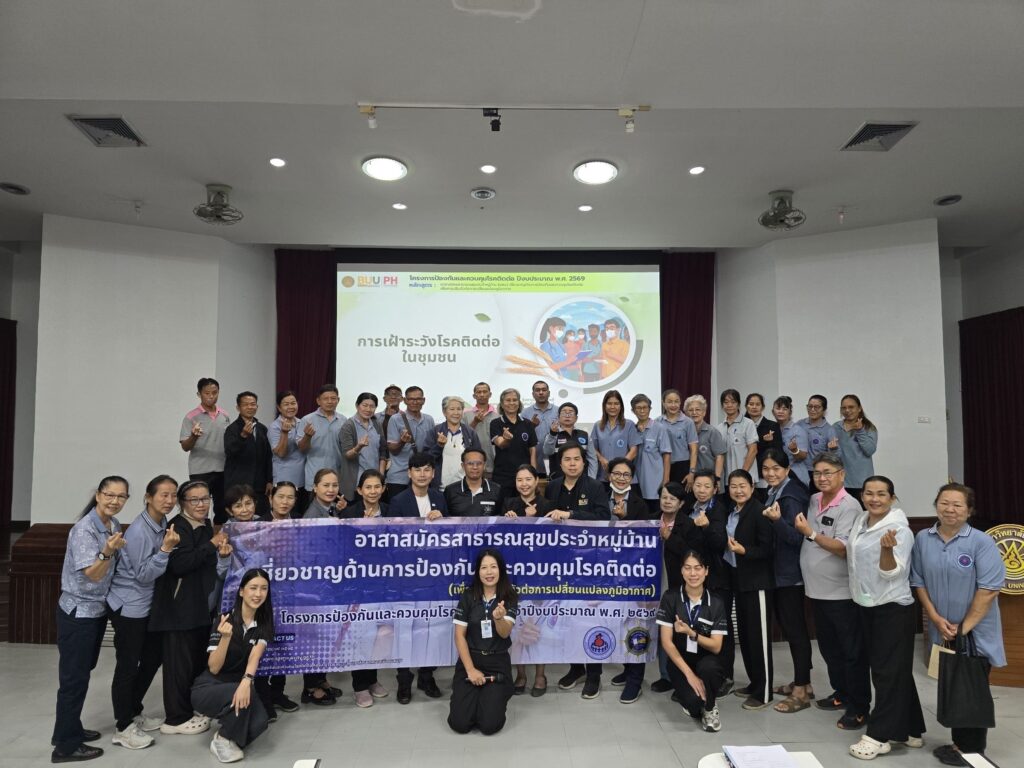
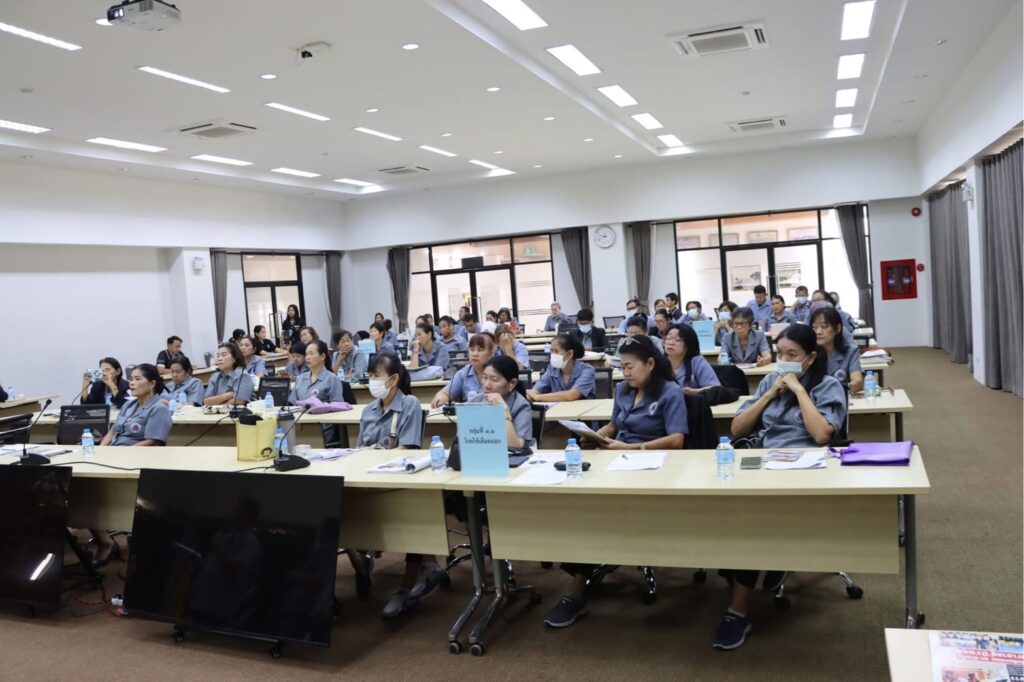
The Communicable Disease Prevention and Control Section under the Public Health Promotion Division, Bureau of Public Health and Environment, Saensuk Municipality, in collaboration with the Faculty of Public Health at Burapha University, implemented a communicable disease prevention and control project to strengthen community health capacity. The project engaged 60 Village Health Volunteers (VHVs) from Saensuk and Mueang Sub-districts through a series of educational training sessions and practical workshops, including disease screening and the use of online mapping tools. Activities were conducted at the Faculty of Public Health, Burapha University, the Saensuk Municipality New Office Building, schools, and across all 25 communities within the service area. The initiative also incorporated risk communication, public relations campaigns through multiple media channels, and home visits to support disease investigation and surveillance at the community level.
Project Coordinator: Assoc. Prof. Dr. Kowit Suwannahong, Asst. Prof. Dr. Saksith Kulwong, Asst. Prof. Chaiyanan Muanphetch, Dr. Nathakon Nilnate, Dr. Phitsanu Pannaracha, and Dr. Rungkarn Inthawong
Objectives:
1) To enhance the potential of Saensuk Municipality’s Village Health Volunteers to become experts in surveillance, prevention, and control of communicable diseases, and to promote the creation of sustainable health innovations for community problem-solving.
2) To integrate cooperation across all sectors for the continuous, efficient, and sustainable development of communicable disease prevention and control in Saensuk Municipality
Program Activities:
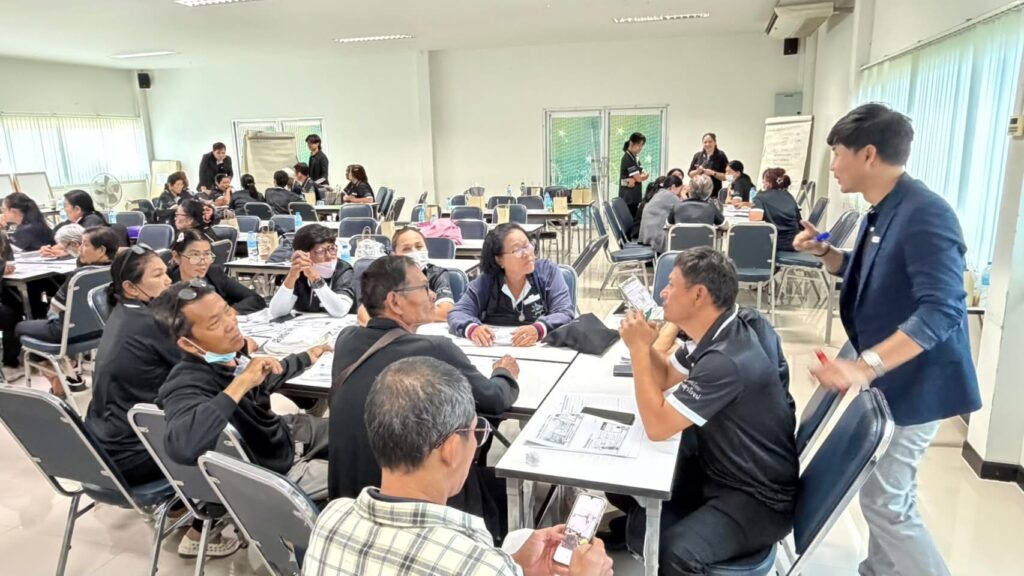
Specialised VHV Training Course: A series of 4 workshops focusing on the impacts of climate change on communicable diseases, disease screening, and health innovation design. Session 1: Lectures on climate change impacts, basic knowledge of disease prevention according to Ministry of Public Health standards, the role of VHVs in surveillance systems, and community risk communication. Session 2: Lectures and workshops on significant community diseases (e.g., Dengue, Chikungunya, Zika, COVID-19, Tuberculosis, Food Poisoning) and practical training on using screening forms, data collection, and public communication. Session 3: Training on disease control and environmental sanitation, and workshops for designing community health innovations and “Disease-Free Saensuk” campaign activities. Session 4: Presentation of community health innovations/projects, summary of results, discussion of obstacles/suggestions, and certificate award ceremony.
Expected Outcomes (Impacts):
1) Village Health Volunteers have higher competency, serving as health leaders with expertise in disease surveillance and the ability to create local health innovations.
2) Citizens in 25 communities receive standardised care and surveillance from expert VHV teams and community leaders, with widespread access to health information through various media.
3) Establishment of a clear, efficient, and systematic network for communicable disease control that serves as a model for local operations and improves monitoring and evaluation systems.
Date of Implementation: February 24, 2026