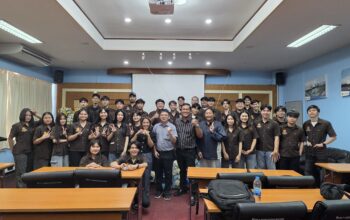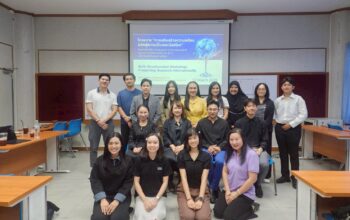

The Haunted Night of Mathematics, organized by the Faculty of Education, is a camp-based learning activity at school in the target area. The project emphasizes the design of learning activities that encourage creativity and student participation. In addition, it serves as a platform to inspire students to recognize the importance of mathematics in their everyday lives. The learning process focuses on analytical thinking, mathematical problem solving, learning through real-life situations, and collaborative learning. All activities were designed to enhance students’ understanding of mathematics and attain positive attitudes toward the subject. At the same time, the project enhanced the competencies of pre-service teachers through experiential learning, which aims to develop 21st-century skills, including critical thinking, communication, collaboration, digital technology use, and instructional design. These competencies are intended to prepare pre-service teachers to become professional educators in the contemporary educational context. Furthermore, the project is aligned with the Sustainable Development Goals (SDGs), particularly Goal 4 (Quality Education), which emphasizes learning opportunities and developing the skills necessary for sustainable living and future careers.
The aims:
1. To enable pre-service teachers to develop professional teaching skills through the design and implementation of mathematics camp activities in real-world contexts.
2. To enhance 21st-century skills among pre-service teachers, including critical thinking, teamwork, communication, technology use, and leadership, through the camp-based learning process.
3. To promote learning management that is connected to local contexts and to support the development of quality education for both pre-service teachers and students.
4. To strengthen mathematical knowledge and analytical thinking skills through activities and problem-solving tasks for students participating in the camp.
5. To inspire positive attitudes toward learning mathematics among both pre-service teachers and students.
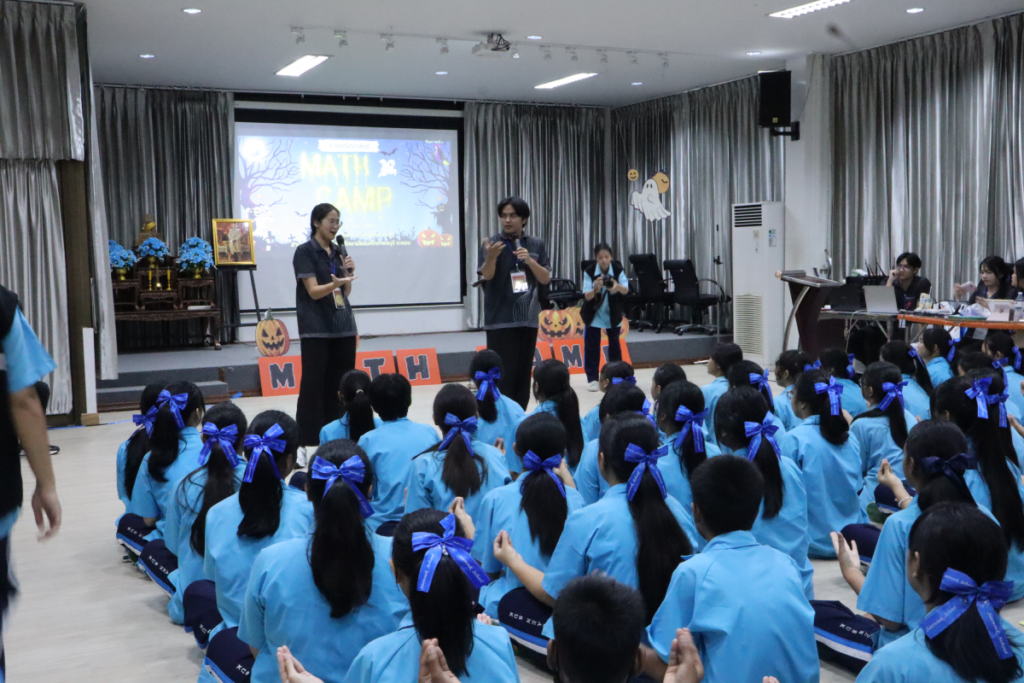
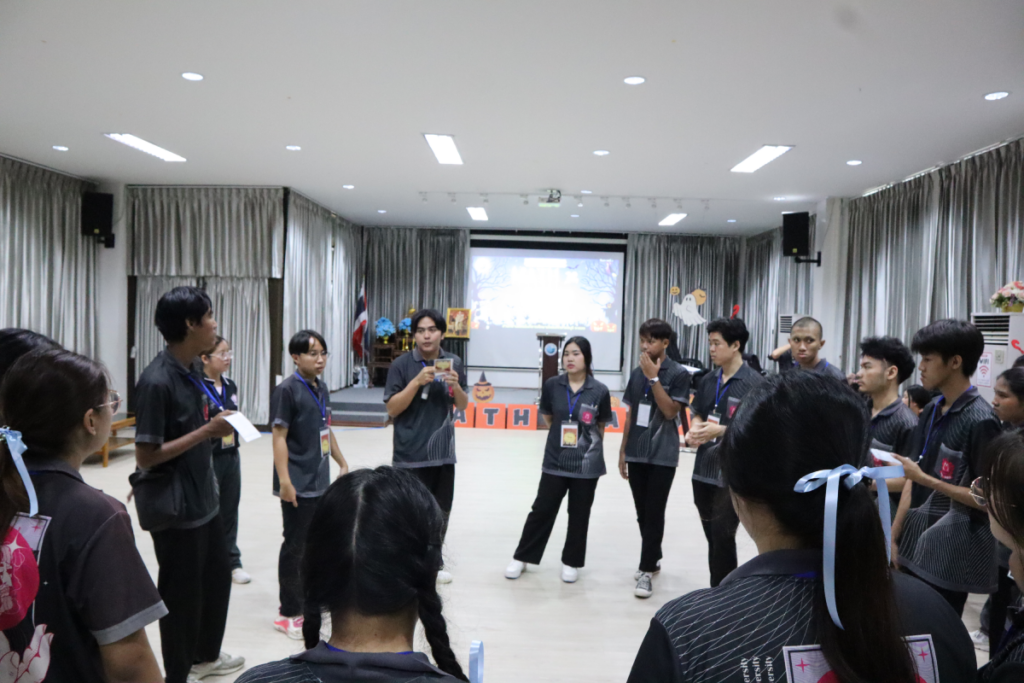
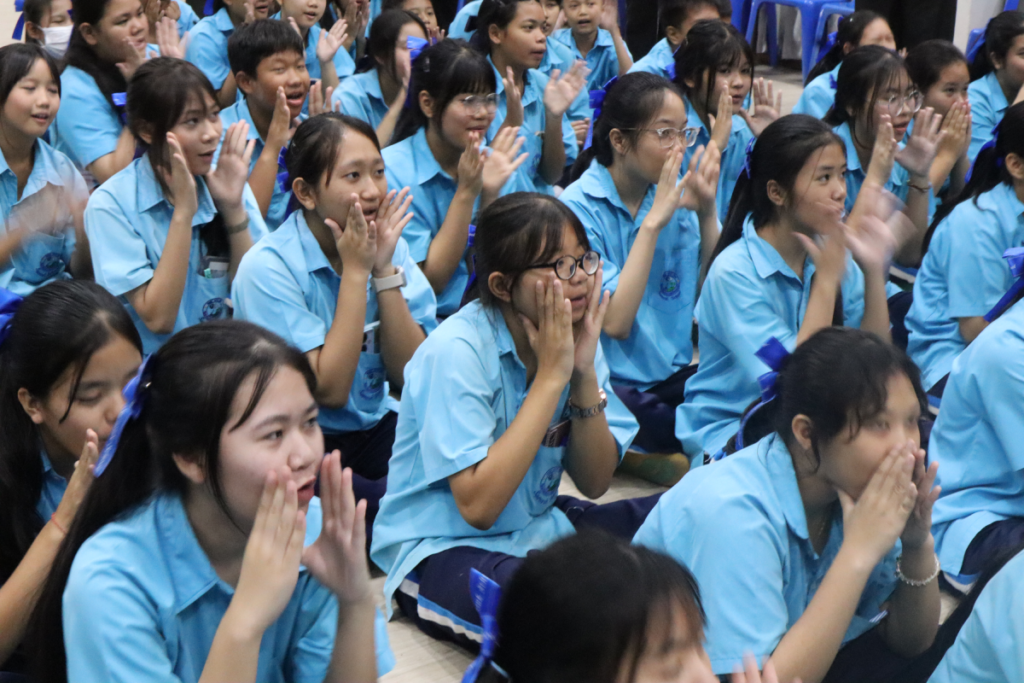
The project was implemented over two phases. The first phase took place on 26 October 2025 and focused on preparatory lectures on mathematics camp organization. This phase aimed to equip pre-service teachers with essential knowledge and practical skills related to camp planning, learning activity design, classroom management, and the integration of mathematics learning with real-life settings. The second phase of the project was conducted on 2 November 2025 for a full-day mathematics camp activity. This phase emphasized hands-on, experiential learning through a variety of interactive and theme-based activities designed to promote mathematical thinking, creativity, and collaboration among students. There were activities including “Hoo Are You,” which served as an ice-breaking activity to build rapport; “I HIGH Tower,” which focused on a problem-solving activity; “Ghost Sound Imitation Activity,” which integrated creativity and communication skills; and “Walk Rally Activity,” which required participants to apply mathematical concepts to real-life situations. Overall, the project connected theory and practice that encouraged pre-service teachers to apply their prior preparation to real educational settings in an enjoyable and meaningful manner, which can strengthen 21st-century skills and sustainable educational development.
After the implementation of the project, it was found that pre-service teachers gained valuable opportunities to develop their professional teaching skills through hands-on practice by actively participating in the design, planning, and implementation of learning activities within the mathematics camp. The result showed that all pre-service teachers (100%) were able to design and implement mathematics camp activities. The mean knowledge score increased from 30.72 (pre-test) to 34.00 (post-test), and the mean self-assessment score increased from 3.96 (before the camp) to 4.63 (after the camp). Moreover, they demonstrated development in essential 21st-century skills, including systematic analytical thinking, teamwork, effective communication, and the use of technology to support learning. The results of the self-assessment regarding the development of 21st-century skills through the mathematics camp indicated that pre-service teachers perceived their 21st-century skill development at a high to very high level across all dimensions, with mean scores ranging from 4.10 to 4.69. In addition, the project promoted the integration of learning with local contexts, ensuring that the learning activities were meaningful and relevant. It was found that the pre-service teachers demonstrated a high to very high level of understanding and awareness of learning across all aspects, with mean scores ranging from 4.38 to 4.90. For the students participating in the camp, they showed improvement in mathematical knowledge and analytical thinking skills. The activities effectively enhanced learning for Grades 7 and 8, while Grade 9 students maintained high achievement levels. Overall, the project fostered positive attitudes toward learning mathematics among both pre-service teachers and students. Students participating in the camp rated the experience as highly effective in fostering inspiration and positive attitudes toward learning mathematics, with a mean score of 4.82. The self-assessment results of pre-service teachers indicated perceptions at a high to very high level across all aspects, with mean scores ranging from approximately 4.66 to 4.90. It enhanced their interest, appreciation, and awareness of the importance of mathematics in everyday life. The outcomes of the project reflect meaningful and sustainable educational impacts.
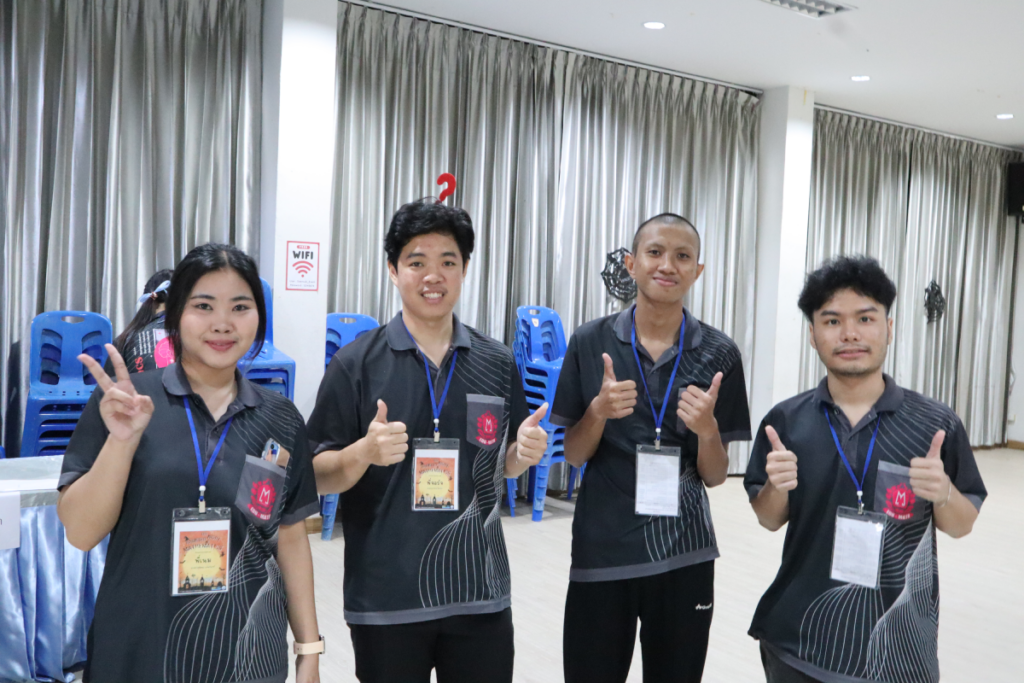
Project Team Members: Dr. Premyuda Dechboon (Project leader) Dr. Watanyou Nawises Dr. Yanika Lunrasri Mr. Supakorn Ounsiri