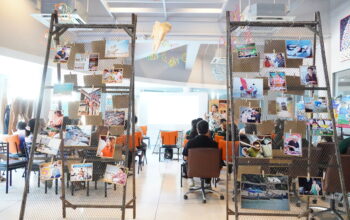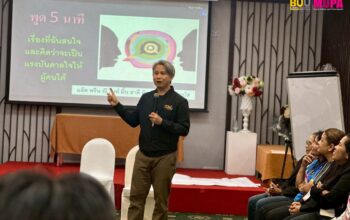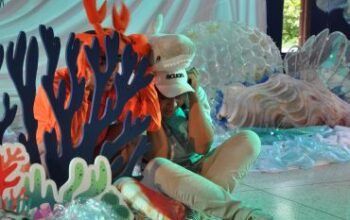
The project originated within the “Enhancing Performing Arts Skills with Experts/Artists” course offered during the first semester of the 2068 (2025) academic year. This curriculum emphasises practical training, the development of practice-based performing arts projects, and the identification of relevant issues to form arts-based learning structures. Key learning components included defining project objectives, designing activities, selecting operational sites, structuring the workflow, developing compelling content through engaging pedagogical methods, synthesising practical outcomes, and presenting and documenting the learning results. A critical element was the practical engagement with external organisations or operational settings. The initiative was established to both produce innovative artistic creations and foster collaboration with external organisations outside the university. This practical, real-world experience was designed to elevate student competency and work experience in creative production, thereby fulfilling the strategic plans of both the faculty and the university.
Project Coordinator: Asst. Prof.Kanapoot Viruttanachai
Objectives:
The specific objectives for the students involved in this project were: • To conceptualise and develop performing arts-based learning projects, including defining the problem, designing the activities, selecting the operational site, and establishing the operational process. • To participate in practical training via engaging teaching methods led by performing arts experts or established artists. • To provide students with opportunities for collaboration with external organisations or partners. • To create a platform for students to present their creative works.
Program Activities:
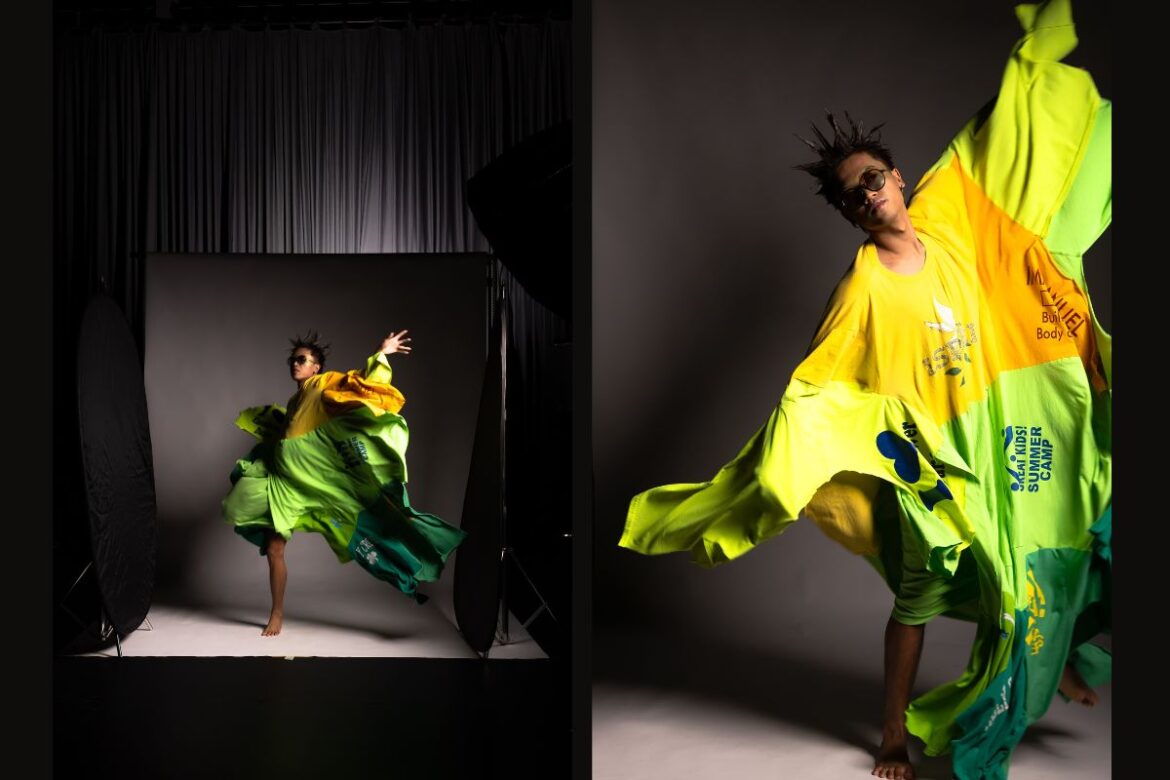
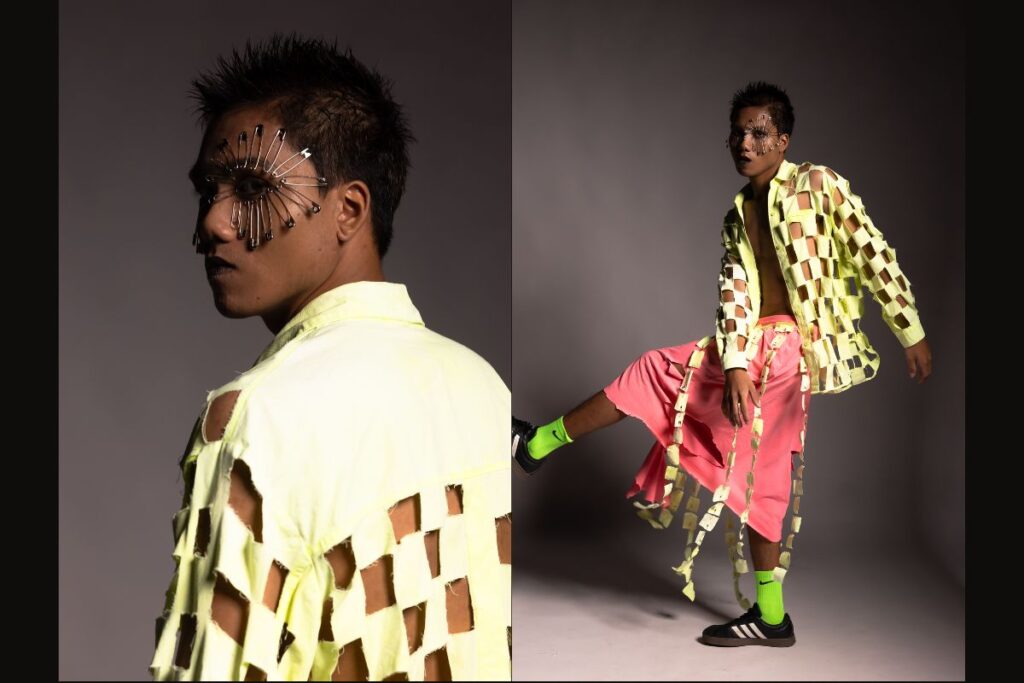
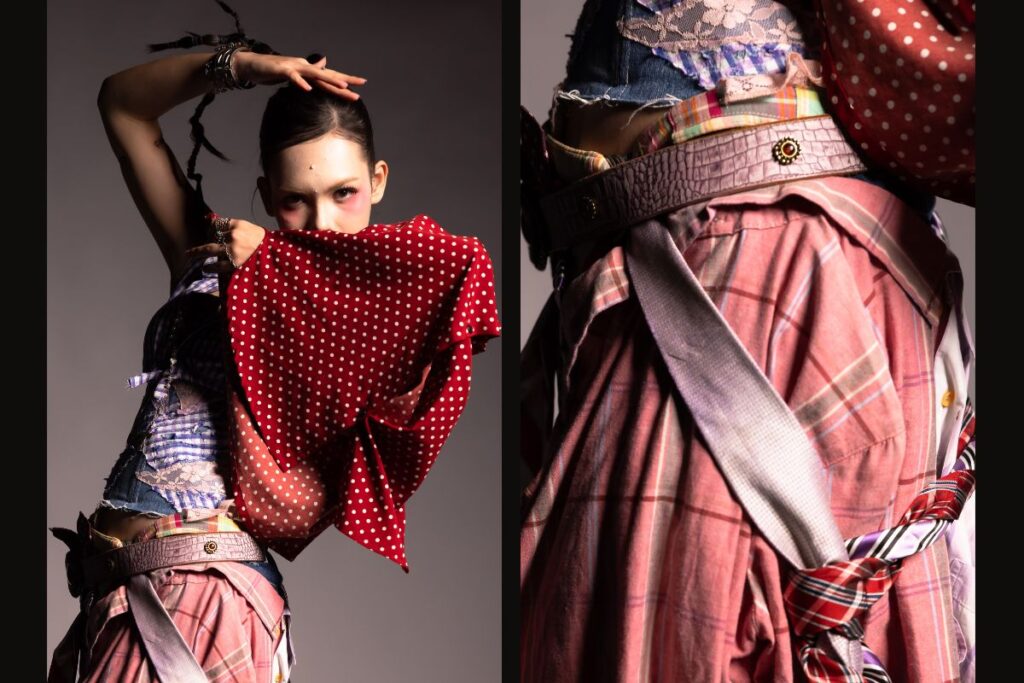
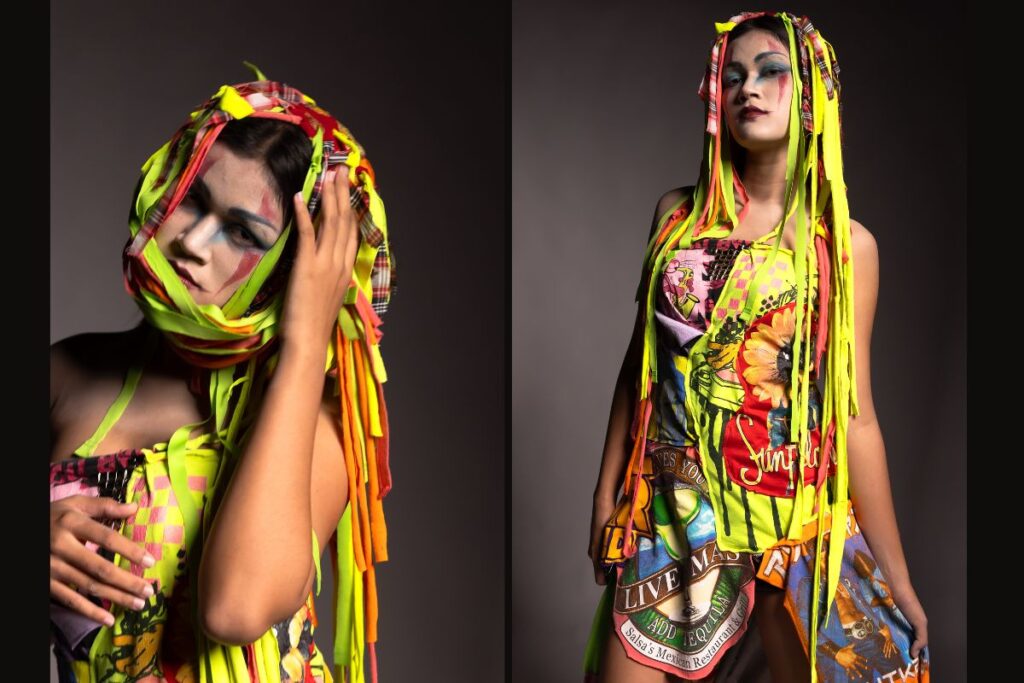
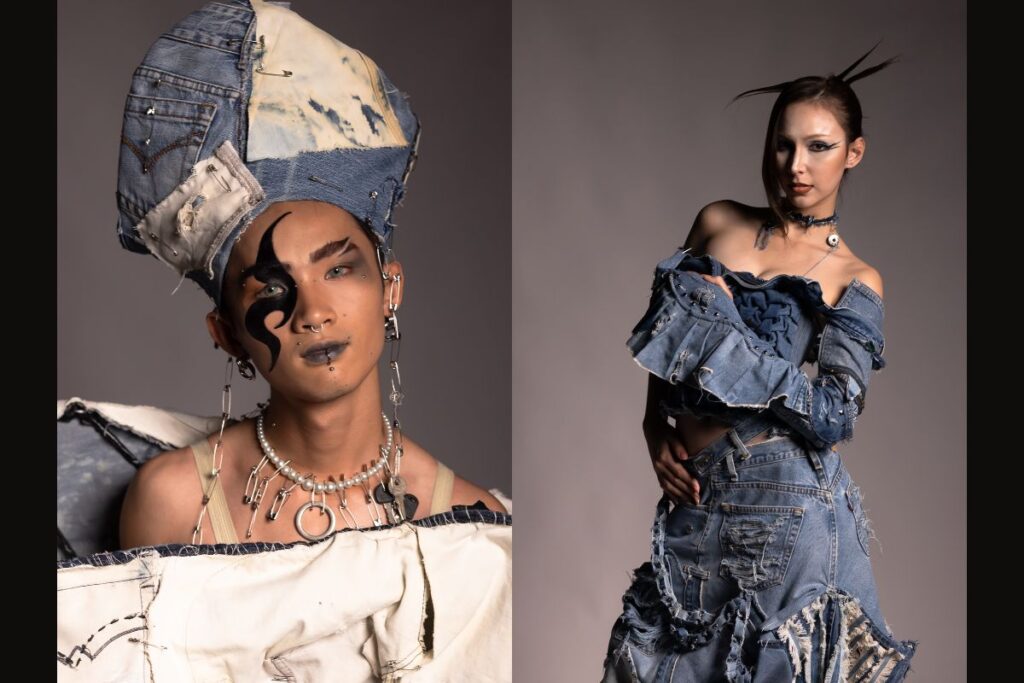
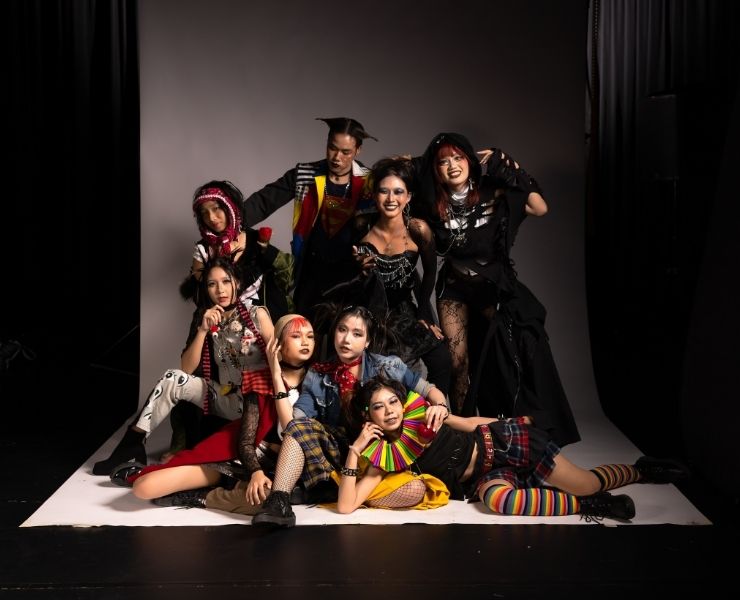
Students within the costume design group, driven by their interest in fashion and the desire to develop future professional skills, initiated this project to produce portfolio-worthy work for job applications. The curriculum mandated that “fashion waste” serve as the central theme for all creative development presented in the show. Students were tasked with innovating designs from existing materials, such as discarded clothing and equipment from the university’s costume room, as well as general recycled or waste materials from the surrounding environment. This approach actively promoted environmentally responsible design principles and the maximisation of resource utility.
Expected Outcomes (Impacts):
The initiative successfully achieved several key outcomes: • Interdisciplinary Collaboration: Students from the Creative Arts major (Faculty of Fine Arts, Burapha University) were highly motivated to join the project due to a shared interest in the pervasive issue of fashion waste. • Public Engagement: The showcased works generated substantial interest from the external community, resulting in an estimated audience of over 200 attendees. • Community Support: The project received extensive material donations from citizens within the Bangsaen community, underscoring strong local support for the sustainable initiative.
Date of Implementation: Oct 18, 2025